Where Cultures Meet.

Origin
Rosada draws from both Arab and European influences. Two cultures shaped by craft, hospitality and an appreciation for beauty. For us, it was never about contrast. It was about balance. About carrying tradition forward in a way that feels relevant today. Rosada grew from that mindset. Taking something rooted in heritage and shaping it with clarity and restraint. It is not tied to one place. It feels at home wherever culture is valued and shared.
Origin
Rosada draws from both Arab and European influences. Two cultures shaped by craft, hospitality and an appreciation for beauty. For us, it was never about contrast. It was about balance. About carrying tradition forward in a way that feels relevant today. Rosada grew from that mindset. Taking something rooted in heritage and shaping it with clarity and restraint. It is not tied to one place. It feels at home wherever culture is valued and shared.
Design
Rosada's design takes cues from traditional tile work, reworked in a way that feels current and clean. The geometry is softened. The patterns feel lighter. Details that were once decorative are now reduced to what really matters. Less ornament. More clarity. The reference to heritage is intentional, without becoming nostalgic. The past is carried forward in a contemporary form. Colors are kept restrained. Shapes stay balanced. Rosada's design stands for structure, proportion and quiet presence.
Culture & Process
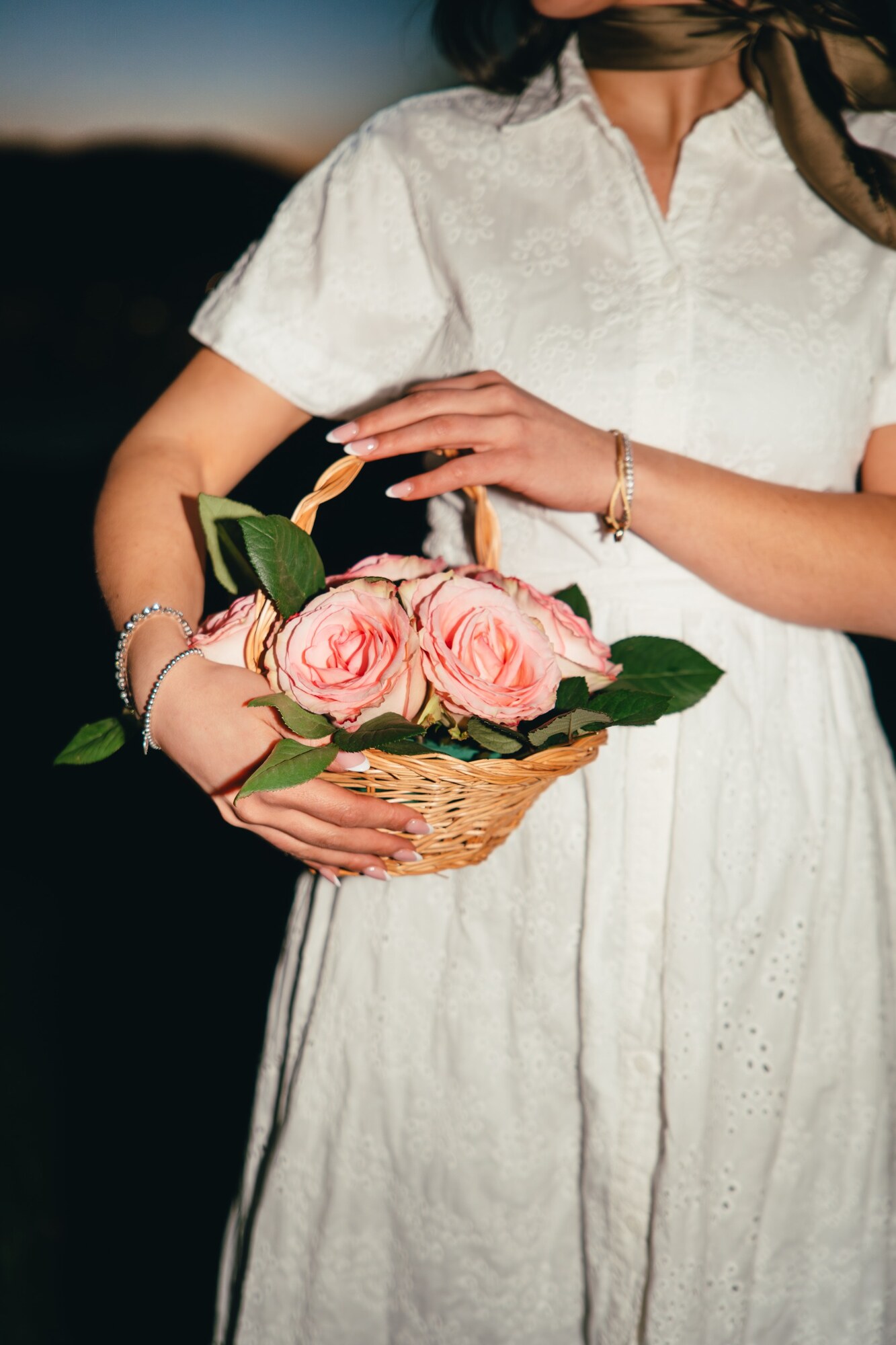
Rose oil has long been part of Arab culture, associated with hospitality, care and a quiet sense of beauty. It is never used lightly. A single drop takes time. The extraction is slow and precise, with thousands of petals needed for only a small amount, and that patience is part of its value. Shaped by time and careful work, rose oil is shared with guests, worn close to the skin or used to mark important moments. It comes from history, yet remains present. With Rosada, the rose is treated as what it is: an ingredient with history, weight and a clear place in the glass.
Culture & Process
Rose oil has long been part of Arab culture, associated with hospitality, care and a quiet sense of beauty. It is never used lightly. A single drop takes time. The extraction is slow and precise, with thousands of petals needed for only a small amount, and that patience is part of its value. Shaped by time and careful work, rose oil is shared with guests, worn close to the skin or used to mark important moments. It comes from history, yet remains present. With Rosada, the rose is treated as what it is: an ingredient with history, weight and a clear place in the glass.